manu tours, manu national park tours, manu rainforest tours

WELCOME TO MANU
Manu National Park, established in 1973, is a “World Heritage Site” recognized for its unique and internationally acclaimed biodiversity. The Manu Biosphere encompasses Andean Mountain Cloud Forest, Tropical Lowland Forest, Alto Madre de Dios and Manu river drainage systems, and covers an area equivalent to half of Switzerland. It is subdivided into a National Park and two adjacent zones for tourism and cultural subsistence. Home to over 1000 Bird Species, 15,000 Plant Species, 200 Mammal Species, and countless Insect Species, the Park also contains indigenous peoples living untouched by modern society in the heart of the jungle.
Manu has abundant wildlife, including Jaguars, Tapirs, Anteaters, Black Caimans, and Giant Otters. There are 15 species of monkeys, including the Pygmy Marmoset, the world’s smallest monkey, and the nocturnal Night Monkey. Due to the low human population and traditional hunting techniques, animals in the park are unafraid of humans, allowing for easy sightings. Manu provides unmatched opportunities to observe wildlife.
Wildlife aside, however, the journey into the park itself is a spectacle not to be missed. Normally accessible by road, the two-day trip from Cusco to the Manu Reserve Zone entrance takes you through the Andes Mountains, past pre-Inca ruins, Clouds Forests, and eventually to lush, lowland rainforest. The unpaved roads wind past cascading waterfalls, deep gorges, and precipices. Visiting Manu is a complete and unforgettable experience for any tourist.

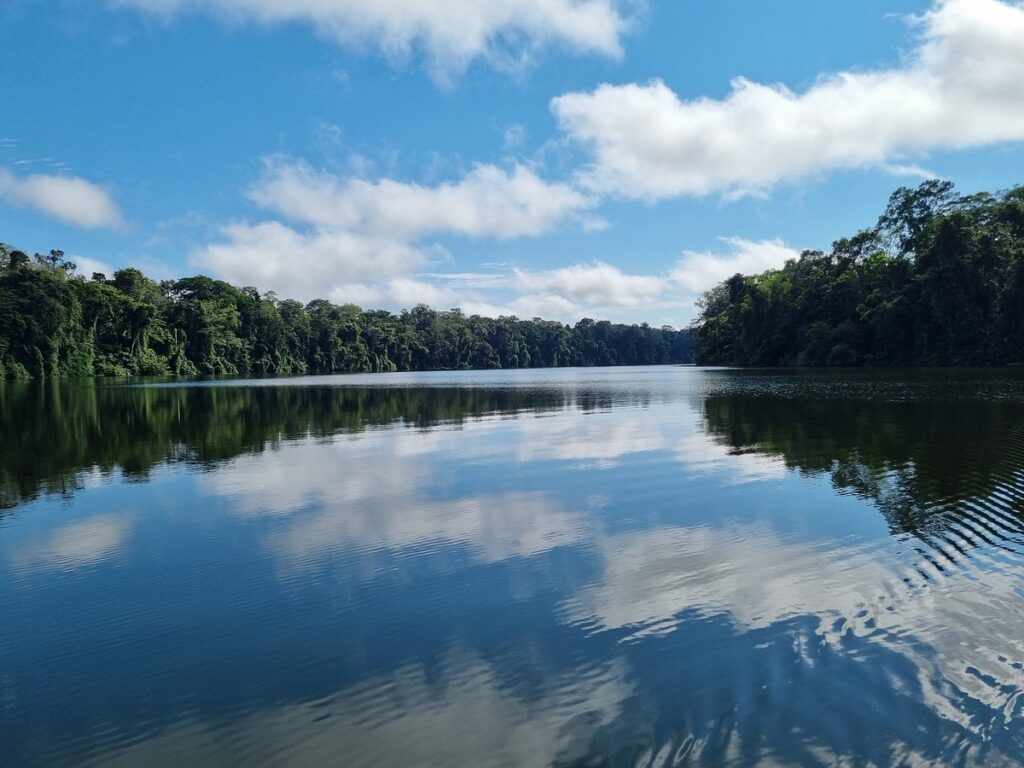
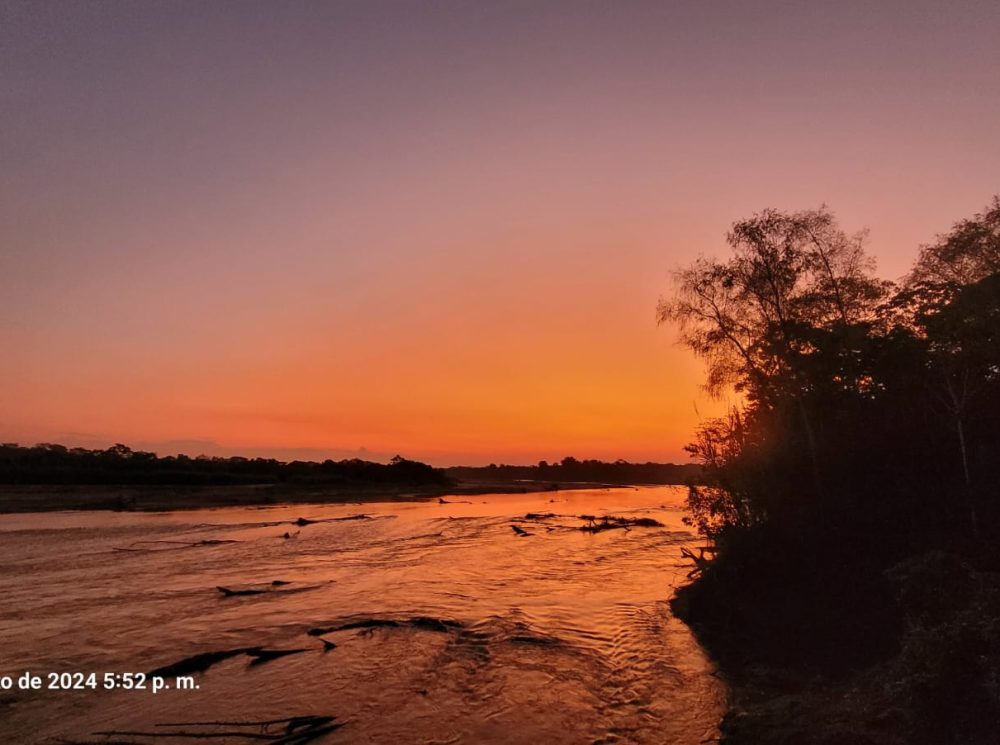
SEASONAL DYNAMICS IN MANU NATIONAL PARK
What is the best season to visit Manu National Park?
This is a common question we receive from visitors to the Amazon region. The straightforward answer is that ANYTIME is suitable for a visit; there is no season that is inherently better than another. The region experiences both a wet season and a dry season, each with its own unique advantages and disadvantages.
Dry Season
The dry season occurs from April to October in the lower Amazon basin of Madre de Dios, Peru. During this period, water levels in the Madre de Dios River exhibit a marked fluctuation, peaking at the end of August. This results in numerous shallow areas, complicating boat navigation. Water levels are primarily influenced by the melting snow and glaciers in the Andes Mountains, particularly from the significant glacial mass in southern Peru known as the Cordillera del Vilcanota, which is part of the Cordillera Oriental de los Andes. Average temperatures range from 27°C to 34°C, with infrequent but intense rainfall (approximately 20 minutes) scattered throughout the months. Along the riverbanks, one can observe cracks forming on dry sandbars. During this season, we also experience FRIAJE, a climatic phenomenon characterized by a sudden and significant drop in temperature, accompanied by strong winds and drizzle. This phenomenon tends to occur more frequently in the western Amazon from April to August. Additionally, most wildlife initiates its reproductive processes, and vegetation begins to shed its leaves.
Rainy Season
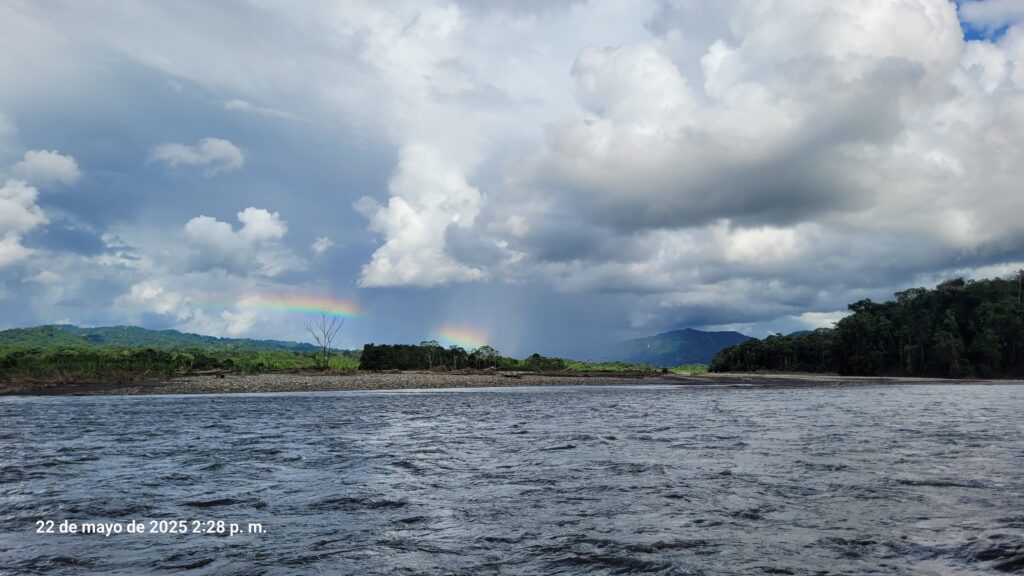
The rainy season spans from November to March, with heavy rainfall peaking from early to mid-March. Average temperatures during this period range from 25°C to 32°C, with monthly rainfall measurements varying between 170 and 310 mm and relative humidity averaging 88%. Although precipitation is more frequent during this season, many plant species have adapted to bloom and fruit during this time, attracting pollinators, birds, and primates to the riverbanks, making for excellent observation opportunities.
The spectacular thunderstorms can be a delight to witness from a distance while on a boat or at a lodge. River levels rise, reducing the number of shallow areas, thus facilitating comfortable boat trips. The rains often clear the skies, resulting in beautiful blue vistas. However, the wet conditions can lead to landslides on roads, making travel adventurous yet enjoyable. Animal activity tends to increase after rainfall, providing further opportunities for wildlife observation.
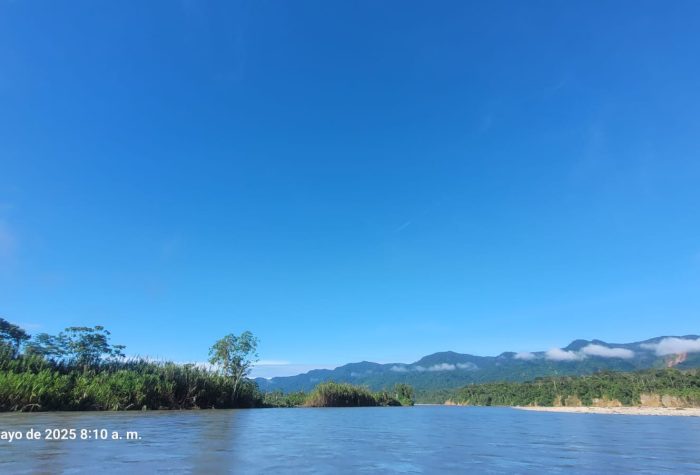
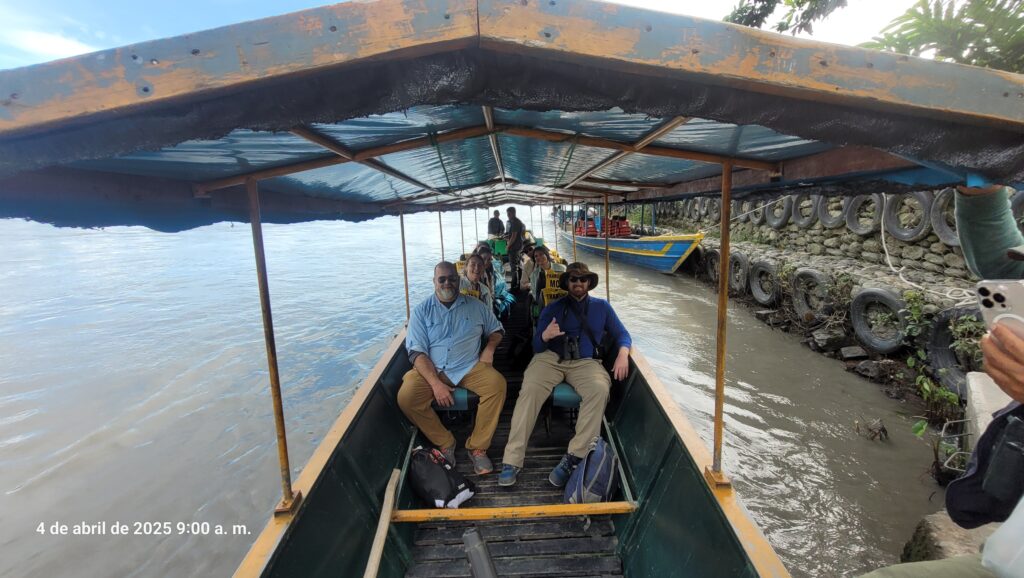
Manu National Park Ecosystems and Ecological Levels
Puna Grassland
The grassland spans vast territories, beginning at high plateaus of 3,500 meters, where dry air and temperatures fluctuate significantly based on exposure to sunlight or shade. From September to April, temperatures can range from -9°C to 22°C, with occasional snow or hail occurring between October and April. Descending from this elevation is a transitional zone known as the wooded thicket which reaches approximately 2,600 meters. Here, the vegetation transitions into a forest, home to about 450 identified plant species, with annual rainfall varying between 500 and 1,000 mm.
Elfin Forests
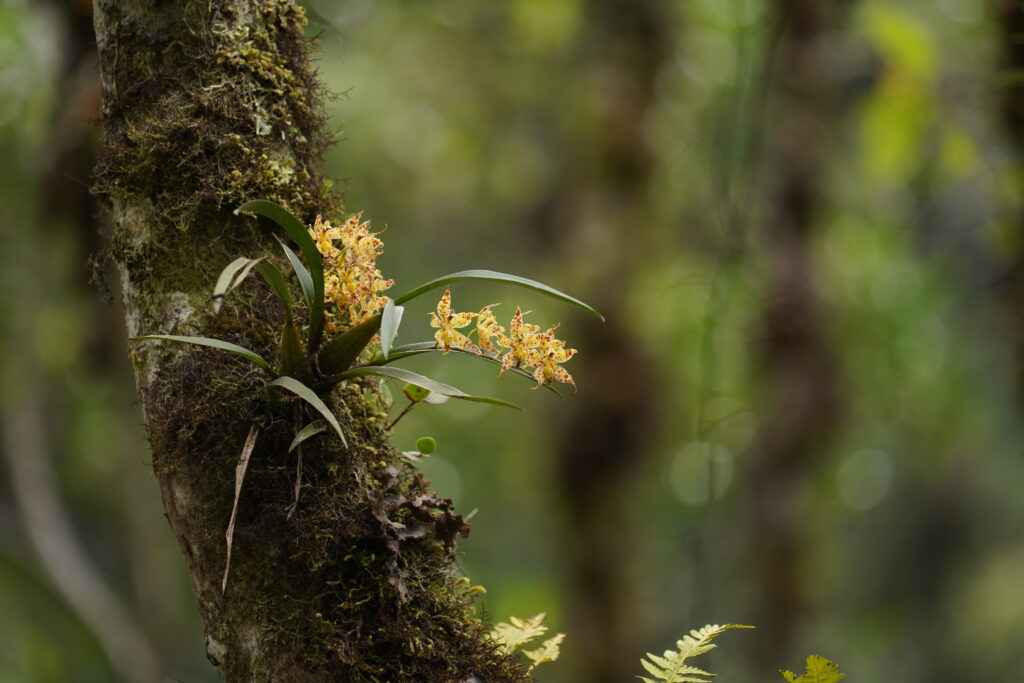
The Elfin forests are located at elevations between 2,200 and 1,650 meters. This area features trees that can reach up to 25 meters in height, often adorned with orchids and ferns thriving on the walls of deep precipices. Characteristic broad-leaved Araceae and tree ferns dominate this region. The climate is cool, and the landscape is consistently shrouded in shadows and mist, creating a perpetually damp environment..
Cloud Forest
Also known as the Fog forest, is an enchanting area situated between 600 and 1,650 meters. Constant fog envelops this lush landscape, where trees can reach heights of up to 30 meters, often covered in orchids and ferns, forming a dense forest interspersed with small streams and waterfalls. It is estimated that this area is home to at least 200 different tree species, with a density exceeding 700 trees per hectare. Temperatures typically range from 16°C to 25°C, with nighttime lows between 11°C and 18°C.
Tropical Humid Forest or Lowland
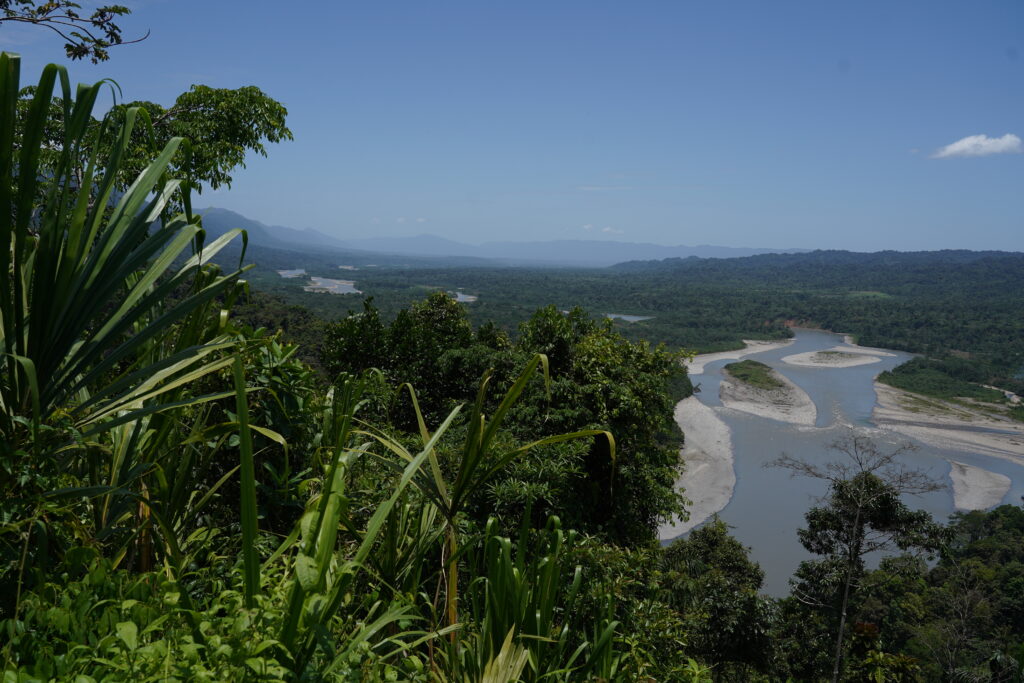
The tropical humid forest, also referred to as lowland, spans the expansive Amazonian plain at elevations between 300 and 600 meters. This area is undoubtedly the most representative of the Reserve. Along the meandering rivers of Manu, the trees reach impressive heights, with two species standing out above the forest canopy: the robust shihuahuaco (Dipteryx micrantha) and kapok (Ceiba pentandra), both of which can exceed 60 meters in height and have crowns that can reach up to 50 meters in diameter.

Culture of Manu National Park
In addition to its rich biodiversity, Manu National Park is home to a significant cultural diversity represented by various communities, each possessing a unique culture and folklore. These communities maintain their own languages, methods of gathering, hunting, fishing, and religious rituals, as well as traditional medicine. These groups have varying degrees of contact with the broader Peruvian culture. While many may be seen in Western clothing, their worldviews and languages remain distinct. Within the territory of Manu National Park, there are 30 rural communities that recognize Quechua as their official language, alongside several Amazonian indigenous peoples, such as the Matsiguenka, Amahuaca, Yine, Amarakaeri, Huashipaire, and Nahua, some of whom have had little to no contact with the modern world like the Mashco Piro tribes.
Flora and Fauna of Manu National Park
The tropical humid forest, also referred to as lowland, spans the expansive Amazonian plain at elevations between 300 and 600 meters. This area is undoubtedly the most representative of the Reserve. Along the meandering rivers of Manu, the trees reach impressive heights, with two species standing out above the forest canopy: the robust shihuahuaco (Dipteryx micrantha) and kapok (Ceiba pentandra), both of which can exceed 60 meters in height and have crowns that can reach up to 50 meters in diameter.
Flora and Fauna of Manu National Park
The ecological wealth of Manu National Park is significant, containing over 15,000 plant species. The park encompasses the full range of ecological zones found in the Amazon, making it one of the most valued areas. In a single hectare, up to 250 varieties of trees have been recorded. Manu’s biodiversity includes more than 20,000 types of plants, over 1,000 bird species, 1,200 butterfly species, and 200 mammal species, including the jaguar, giant otter, and 13 species of monkeys, such as the Pygmy marmoset (Cebuella pygmaea), the smallest monkey in the world, weighing only 100 grams, and the Black Spider monkey, weighing around 9 kilograms.
- Mammals: 159 species
- Birds: Over 1,000 species
- Reptiles: 99 species
- Amphibians: 140 species
- Fish: 210 species
- Insects: Many species remain scientifically unclassified.
- butterflies: 1307 species
- Ants: 300 species
- Bees: 650 species